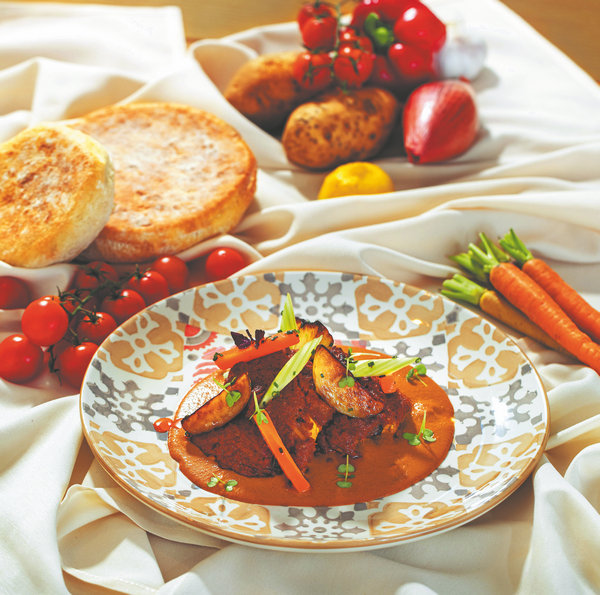
Macao Cuisine
Introduction
Macao Cuisine, often celebrated as the world's first fusion cuisine, is a unique culinary tradition that has evolved over more than 400 years. Recognized by UNESCO as a Creative City of Gastronomy, Macao's food culture embodies a rich blend of Chinese and Western influences, reflecting the region's historical position as a crossroads of cultures. The cuisine is characterized by its diverse array of ingredients, spices from across the globe, and a variety of cooking techniques that have been passed down through generations. Today, Macao's culinary scene continues to thrive, attracting tourists and food enthusiasts from around the world eager to experience its distinctive flavors.
History
The history of Macao Cuisine dates back over four centuries, originating during the age of maritime exploration. As a key port city, Macao became a melting pot of cultures, with explorers and traders bringing with them culinary traditions from their homelands. This cultural exchange gave rise to a unique fusion cuisine that seamlessly combines elements of Portuguese and Chinese cooking. Over time, the cuisine has matured, embracing a wide range of influences from other regions along the maritime trade routes, including India and Indonesia. Macao's historical culinary landscape is a testament to the city's role as a strategic link between East and West, which continues to be celebrated and preserved to this day.
Influences
Macao's cuisine is defined by its multicultural influences, primarily from Portuguese and Chinese culinary traditions. These influences have shaped the region's dishes, ingredients, and cooking techniques, resulting in a rich and diverse food culture.
Portuguese influence is a cornerstone of Macao Cuisine, evident in its use of spices and cooking methods. The Portuguese brought with them ingredients such as curry, saffron, and cinnamon, which have become integral to many traditional Macanese dishes. Portuguese cooking techniques, such as roasting and braising, were also adopted and adapted to local tastes. Signature Portuguese dishes, such as Bacalhau (salted cod) and African Chicken, have been reinterpreted in Macao, reflecting both the culinary preferences and available ingredients of the region.
Chinese influence in Macao Cuisine is equally significant and pervasive. The integration of Cantonese cooking techniques and ingredients has contributed to the distinct flavor profile of many Macanese dishes. Ingredients like soy sauce, rice wine, and ginger are commonly used, and stir-frying is a popular cooking method. Traditional Chinese dishes, such as Minchi, highlight the blend of Chinese and Portuguese elements, showcasing the harmonious balance achieved in Macanese cooking. The result is a cuisine that bridges the gap between East and West, offering a unique gastronomic experience.
Ingredients
Macao Cuisine is characterized by its diverse array of ingredients, sourced from both local and international origins. The region's historical role as a hub for maritime trade has allowed for a wide variety of spices and seasonings to become integral to its culinary offerings. Ingredients such as turmeric, cloves, and pepper from India, as well as saffron from the Middle East, are frequently used in traditional dishes. Locally sourced seafood, such as mantis shrimp and Bacalhau, features prominently in many recipes, reflecting Macao's coastal location. Additionally, the use of preserved meats, such as Portuguese sausages and cured duck legs, is a testament to the preservation techniques brought by the Portuguese settlers. This combination of local and imported ingredients creates a vibrant and complex flavor palette that defines Macao Cuisine.
Traditional Dishes
Macao's traditional dishes are a testament to the region's rich culinary heritage, each offering a glimpse into the fusion of cultural influences that define Macanese cuisine.
African Chicken
African Chicken is a signature dish that epitomizes the blend of Portuguese and local flavors. Typically, the chicken is marinated in a spicy sauce made from coconut milk, curry, and various spices, then roasted to perfection. This dish showcases the bold use of spices, a hallmark of Macanese cooking, and reflects the Portuguese explorers' influence in introducing new flavors to the region.
Minchi
Minchi is another iconic Macanese dish, characterized by its use of minced meat, typically a mix of pork and beef, stir-fried with onions, soy sauce, and spices. The dish is often served with a fried egg on top, adding richness and flavor. Minchi's name is derived from the English word "mince," highlighting the influence of Western culinary terms in Macao's food culture. This dish exemplifies the fusion of Chinese and Portuguese elements, creating a unique taste that is both familiar and exotic.
Pork Chop Bun
The Pork Chop Bun is a beloved street food in Macao, often referred to as the "Macanese Hamburger." It features a succulent, marinated pork chop sandwiched between a crispy, freshly baked bun. The simplicity of this dish belies the complexity of its flavors, with the tender pork chop seasoned with a blend of soy sauce, garlic, and black pepper. The contrast between the crunchy bun and juicy pork chop makes it a popular choice among locals and tourists alike.
Macanese Egg Tart
The Macanese Egg Tart is a quintessential dessert that has gained international acclaim. This sweet treat consists of a rich, creamy custard filling encased in a flaky pastry shell, caramelized on top to create a delicate crust. The Macanese Egg Tart is a testament to the Portuguese influence on Macao's desserts, drawing inspiration from the traditional Pastéis de Nata of Portugal, yet adapted to suit local tastes.
Cooking Techniques
Macao Cuisine is renowned for its intricate cooking techniques, which have been refined over centuries of culinary evolution. The fusion of Chinese and Portuguese methods is evident in the preparation of traditional dishes. Stir-frying and steaming, common in Chinese cooking, are frequently employed to create delicate and flavorful dishes. Meanwhile, Portuguese techniques such as braising, roasting, and baking are used to achieve complex flavors and textures. The meticulous preparation of ingredients, such as finely chopping vegetables and meats, is a hallmark of Macanese cuisine, allowing for a more harmonious blend of flavors. The use of marinades, often incorporating diverse spices and seasonings, is another key aspect of Macao's culinary techniques, enhancing the depth of taste in each dish.








